


Integrated Long-term Care in Europe
Learning from the BUILD, LeTsCare and Laurel Projects: Results and Reflections on Policy and Practice
Joint Special Interest Group between the International Foundation of Integrated Care (IFIC) and the Global Observatory of Long-term Care (GOLTC) on Integrated Long-term Care
When
Presented by


Europe’s ageing societies continue to place growing pressure on long-term care systems, highlighting the need for more integrated, equitable, and person-centred approaches. Building on the momentum of the 2025 session, this second webinar brought together the BUILD, LeTsCare, and Laurel projects to share early findings, reflect on emerging insights, and explore how these can inform future policy and practice.
The session highlighted the complexity of defining and implementing integrated long-term care across diverse European contexts. Speakers emphasised that key concepts—such as “need”, “care”, and “person-centredness”—are often understood differently across and within countries, shaping how policies are designed and delivered.
Across the three projects, several common themes emerged:
- Fragmentation remains a major barrier: Participants noted persistent challenges in coordinating care across sectors, particularly during transitions between hospital, community, and long-term care settings.
- The role of informal carers is critical but under-recognised, with many assuming significant responsibilities without sufficient support.
- Workforce challenges—including recruitment, retention, and working conditions—continue to limit the effectiveness and sustainability of care systems.
- Digital solutions show promise, but only when aligned with user needs and supported by strong infrastructure and human support.
- Funding and governance structures often hinder scale-up, with fragmented and unstable financing limiting the expansion of successful initiatives.
The webinar also underlined that while innovative practices exist across Europe, their success is highly dependent on local context. Approaches that work well in one system cannot simply be transferred elsewhere without adapting to institutional, cultural, and policy conditions.
Importantly, speakers highlighted a shift in perspective—from seeking “best practices” to understanding “meaningful practices” that respond to specific local needs and realities. This reflects a growing recognition that improving long-term care requires not only innovation, but also systemic change across areas such as workforce policy, housing, digital infrastructure, and governance.
Looking ahead, the three projects will continue to refine their findings, engage stakeholders, and develop practical tools and policy recommendations to support the transition towards more integrated long-term care systems across Europe.
Resources from the webinar
The webinar video
The presentations
Speakers

Adelina Comas
Global Observatory of Long-Term Care
Assistant Professorial Research Fellow
London School of Economics


Barbara Da Roit
Ca' Foscari University of Venice

Sebastian Schmidt
Institute of Management for Medicine and Health Sciences
University of Bayreuth
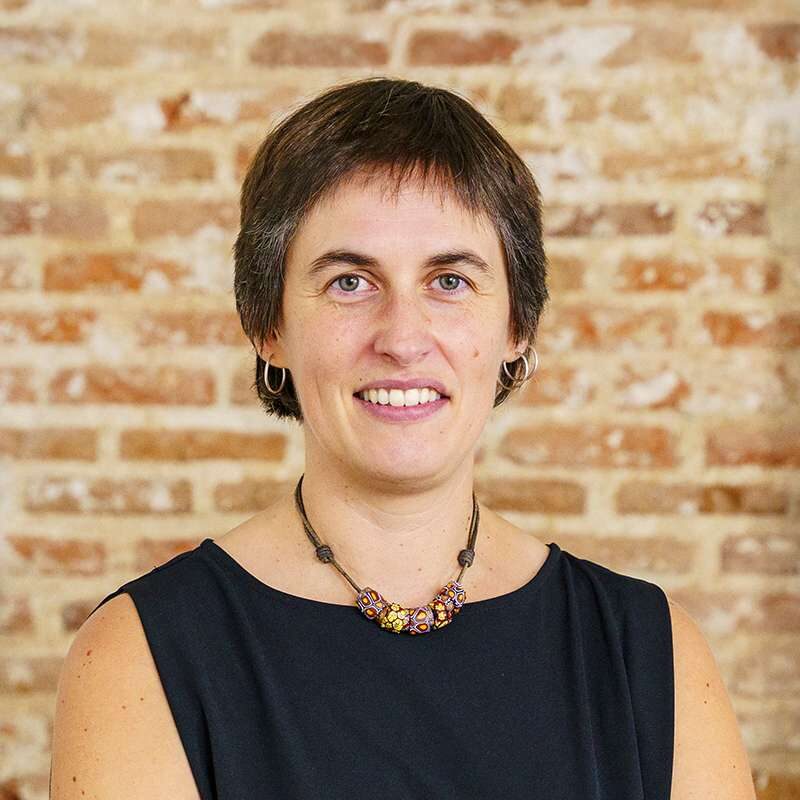
Dr Edelweiss Aldasoro
International Foundation for Integrated Care (IFIC)